Pet Tracker Lanes independently researches and evaluates the products we feature. If you buy through our links, we may earn a commission. [Learn more]
Explore seven types of pet health, safety, and GPS trackers. Understand what each does, how it can help, and which may be right for your companion.
Find the Right Pet Tracker for Your Dog or Cat
Pet Tracker Lanes


When Something Doesn't Feel Right
It often begins with something small—a quiet feeling that your companion just isn't quite the same as they were before.
Maybe they seem less energetic. Maybe their sleep, appetite, movement, or daily habits have changed. Perhaps they are recovering from an illness, injury, or surgery. Or maybe nothing is easy to explain; you simply know your pet well enough to feel that something has shifted.
Other concerns arrive more suddenly. A gate is left open. A dog slips a leash. A pet wanders farther than expected. You may be trying to find a missing companion quickly, give an adventurous dog safer freedom, or stay connected beyond cellular coverage.
Whatever brings you here, Companion Safety Lane begins with your concern—not with a product.
We created this site to help pet parents make clearer, more thoughtful decisions about smart pet technology. We explore health monitoring, behavior and activity tracking, GPS tracking, escape alerts, lost-pet recovery, virtual boundaries, training support, and off-grid tracking. More importantly, we explain which real-life concerns each type of technology may help address.
We do not believe technology should replace your instincts, your attention, or your veterinarian's care. A tracker cannot diagnose illness. An alert cannot replace good judgment. A virtual boundary is not a substitute for responsible supervision. But the right tool, used with realistic expectations, may help you notice patterns, respond sooner, better understand your pet's daily life, and bring clearer observations to the veterinarian who knows them best.
Pet Tracker Lanes is an independent, evidence-informed educational guide. We explain what technology can do, where it may help, and where its limits begin—using clear language, without pressure, and without asking you to become an expert before you know where to start.
When you're ready, choose the decision lane that best matches what you're noticing. We'll help you understand what you are noticing, explore the technology that may fit, and move forward with greater clarity for the companion who depends on you.

Companion Safety Lane helps pet parents understand seven kinds of pet health and safety trackers, so they can choose the one that fits their companion’s needs.
A Pet-Parent Friendly Decision Roadmap
Start with the concern that feels most relevant to your pet right now.
Each lane is built around a real-life situation—not a product or brand. Choose the lane that most closely reflects what you are noticing, the situation your companion faces, or the peace of mind you are looking for.
Within each lane, we first help you understand the concern. Then we explain the types of monitoring, tracking, or safety technology that may help, where their limits begin, and what questions may be worth considering before you decide.
Start with the concern that brought you here.
Explore the seven paths below. Find the one that most closely reflects what you’re seeing, and discover the lane that may help you better understand and support your companion.
© 2026 Pet Tracker Lanes. All Rights Reserved.
Pet Tracker Lanes provides educational information to help pet parents make informed decisions and support conversations with their veterinarian.
Companion Safety Lane provides educational information to help pet parents make informed decisions and support conversations with their veterinarian.
© 2026 Companion Safety Lane. All Rights Reserved.


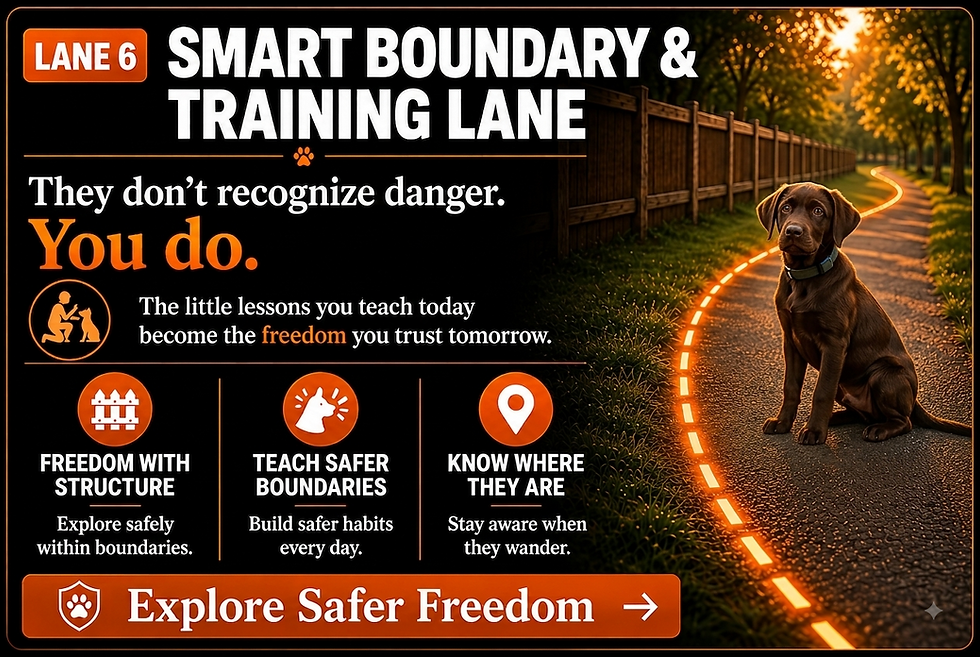





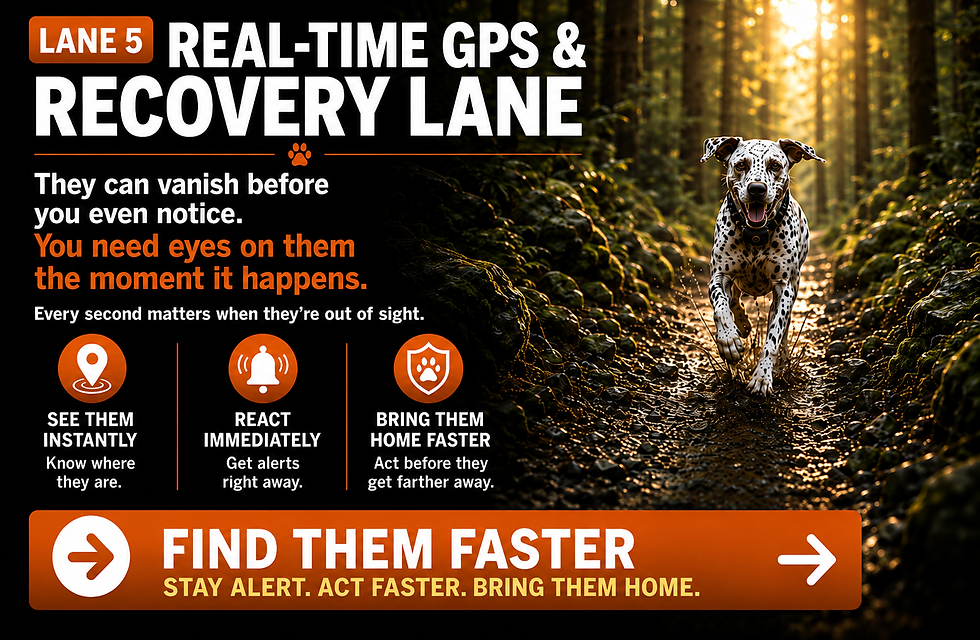




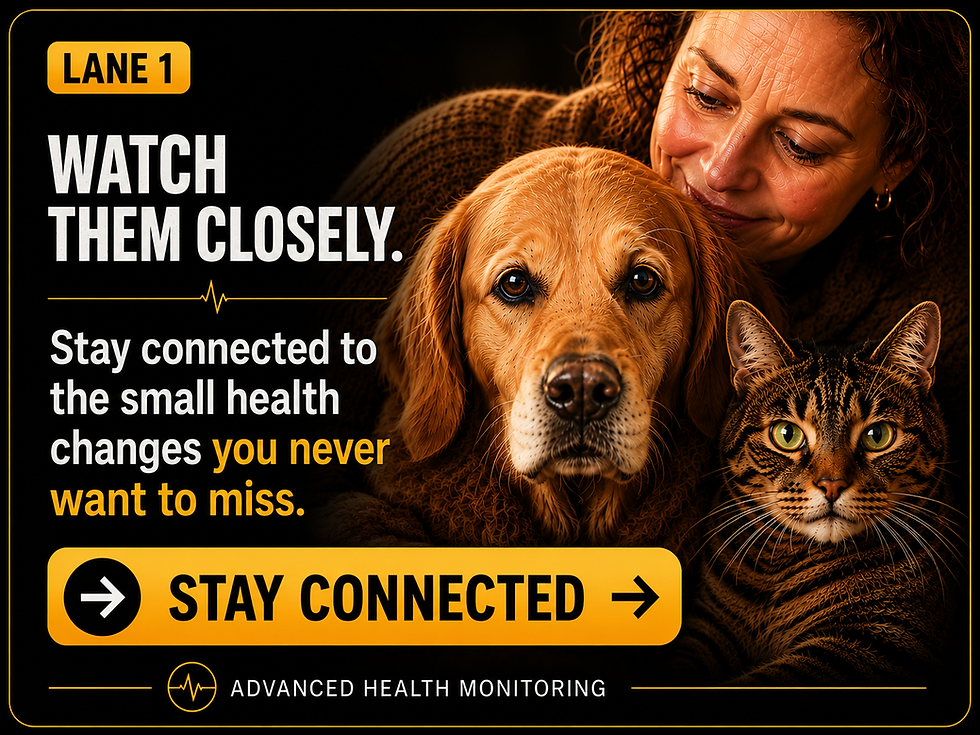
Still Not Sure Which Lane Fits Best?
You do not need to choose perfectly. If more than one lane feels familiar, begin with the concern that feels most urgent, happens most often, or has the greatest effect on your companion’s daily life.
When you’re ready, choose the lane above that most closely reflects what you are noticing.
We’ll help you understand the concern and explore the technology that may support your companion’s needs.
Different Worries Call for Different Kinds of Help
A slower walk and an open gate are very different worries. They call for very different tools.
Some trackers help you spot slow changes in health, sleep, movement, and routine, so you have something clearer to share with your veterinarian. Others help in a hurry: an alert when your dog slips out, a live map when a dog is missing, or a boundary you can draw across a large yard or farm.
Each of our seven lanes starts with one of these worries. In each, we explain what the technology can do, where it falls short, and what to ask before you decide.
You know your companion best. We will help you choose the kind of help that fits.
What Smart Pet Monitoring
Can and Cannot Do
Smart pet monitoring is not a crystal ball. It cannot tell you exactly why a change is happening. It cannot diagnose illness. It cannot replace a veterinarian’s examination, judgment, or care.
What it can do is help you see what is really happening over time. Small shifts in sleep, activity, eating, or restlessness become easier to spot when they’re tracked instead of remembered. Patterns that feel vague in your memory—“Has this been going on for a while?”—turn into something you can actually review.
That extra clarity will not answer every question, but it can give you better questions to bring to your veterinarian. Instead of “Something seems off,” you can say, “Over the past two weeks, my dog has been waking earlier, pacing more at night, and resting more during the day.” That kind of information can help your veterinary team decide whether a change is minor, needs monitoring, or deserves a closer look.
Used well, smart monitoring does not replace your instincts. It supports them. It helps you notice changes sooner, see them in context, and feel more confident about when to watch, when to adjust, and when to call your vet.
On Companion Safety Lane, technology is not the hero of the story. Your attention is. Smart monitoring is simply a tool that can help you pay steadier, more informed attention to the companion who depends on you.
Built on Veterinary Insight and Research
Companion Safety Lane was created to help pet parents make informed decisions—not rushed ones. The information throughout this site is based on published research, veterinary literature, manufacturer documentation, and independent product research.
Technology will continue to evolve. One principle remains: monitoring tools work best when they support thoughtful observation, clearer conversations, and appropriate veterinary care.
Our goal is simple: to help pet parents understand their options, recognize meaningful changes, and choose technology that fits their companion’s needs—not the other way around.